
EVSE controller board
The main board of an AC charger. It talks to the vehicle, switches the contactor, measures current and voltage, drives the display and status lights, and reports to the back office.
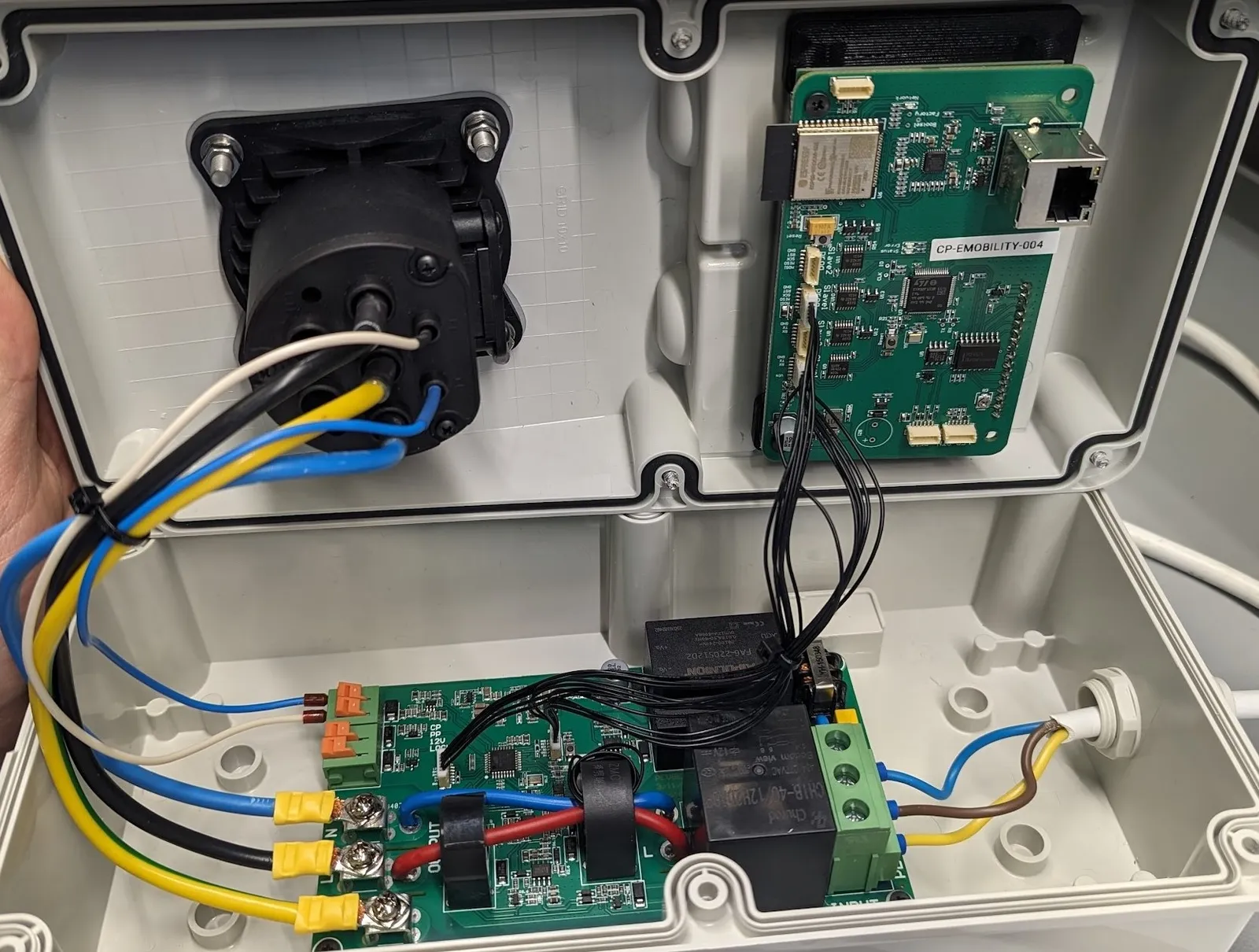
EV charger controller design is where mains power, safety and software meet on one board. We design the controllers, relay and contactor boards, metering and protection circuits for AC chargers and other power equipment, build the prototypes, and test them before they go to a certification laboratory.
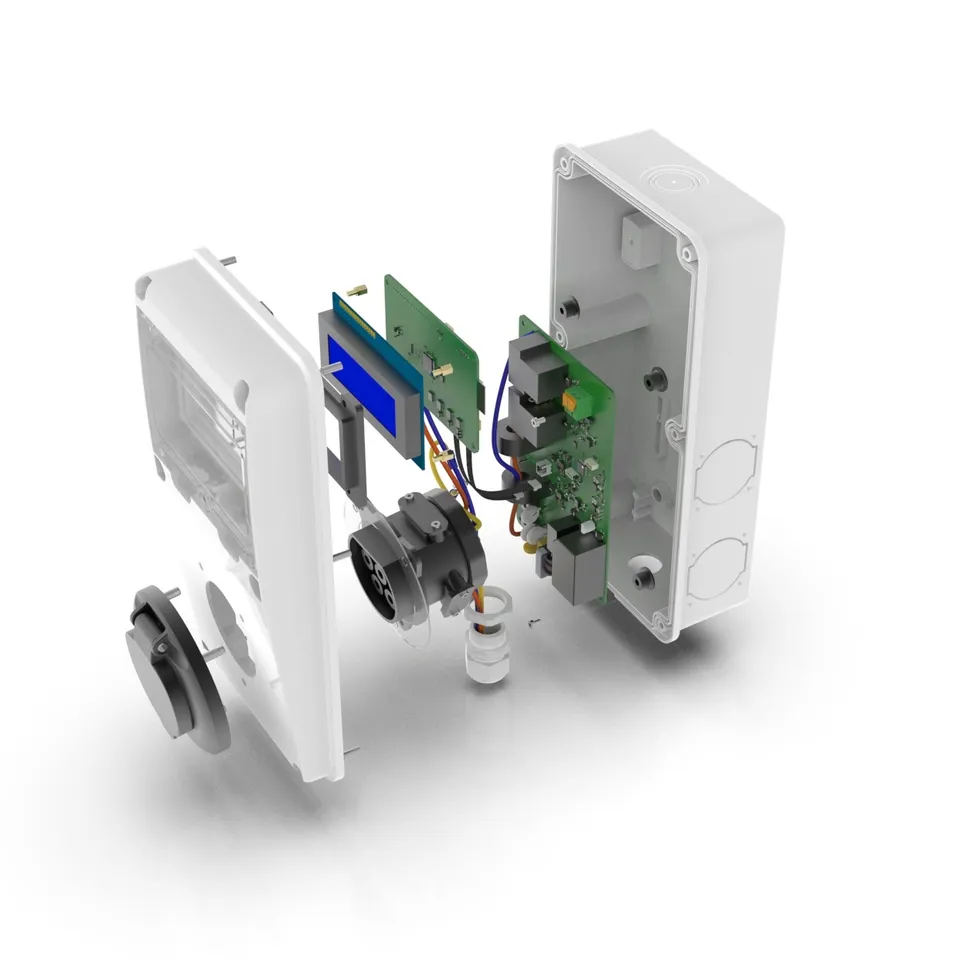
The main board of an AC charger. It talks to the vehicle, switches the contactor, measures current and voltage, drives the display and status lights, and reports to the back office.
Boards that switch AC loads safely, with welded-contact detection, coil drivers and fused power inputs.
Measurement front-ends and controllers that share available power between charge points or loads.
AC/DC supply stages, isolated measurement and high-current connections for cabinets and wall units.
Status screens, buttons, RFID readers and payment-terminal connections built into the charger housing.
A charger is installed outdoors or in a parking lot, runs for years, and is touched by the public. Our power electronics design starts from that:
Chargers and power units rarely work alone. Our designs connect over RS-485 and Modbus RTU to energy meters and building systems, over CAN inside larger equipment, and over Ethernet, Wi-Fi or cellular (GSM) to the operator's system. Firmware for these links is written alongside the hardware, see embedded firmware.
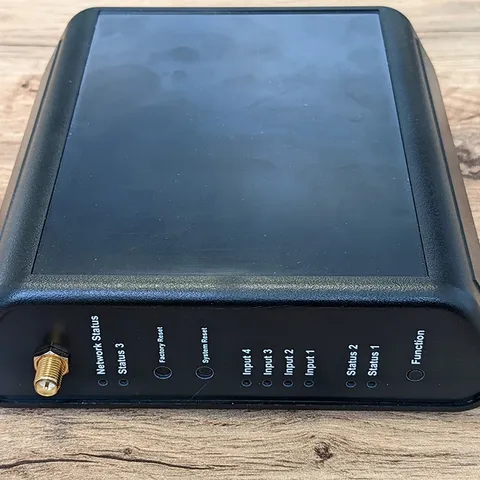
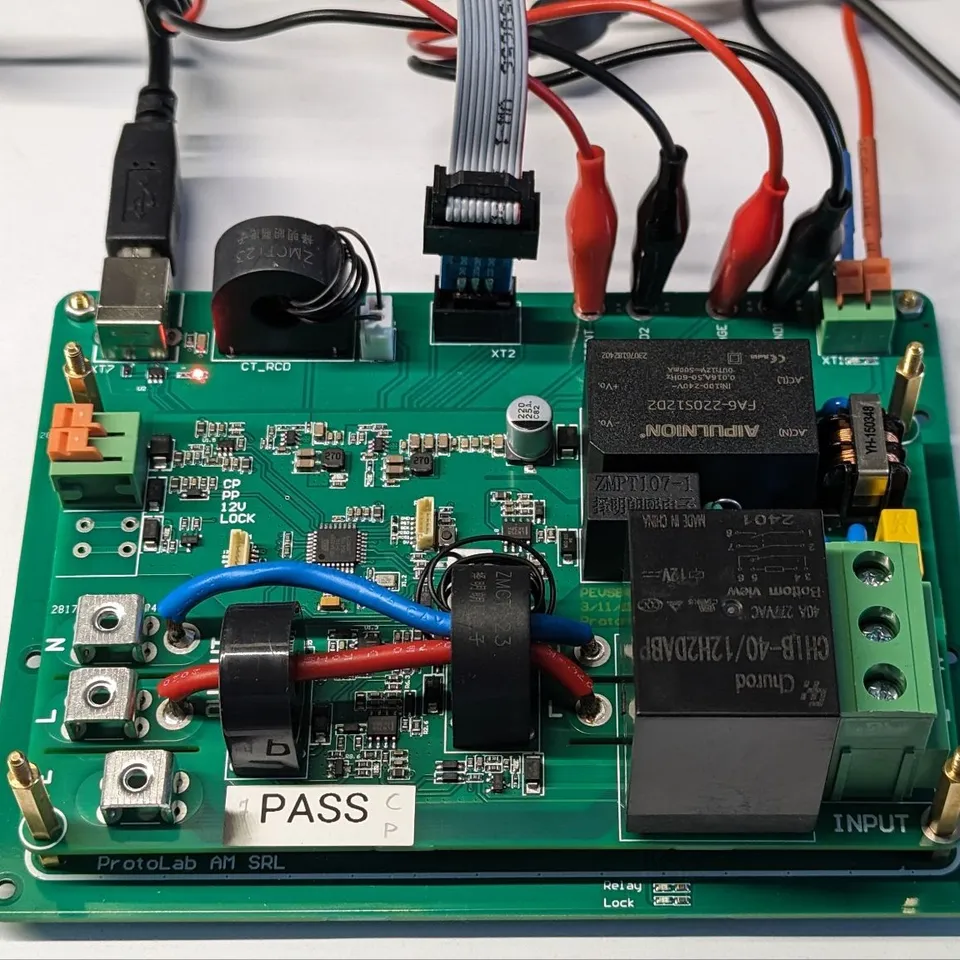
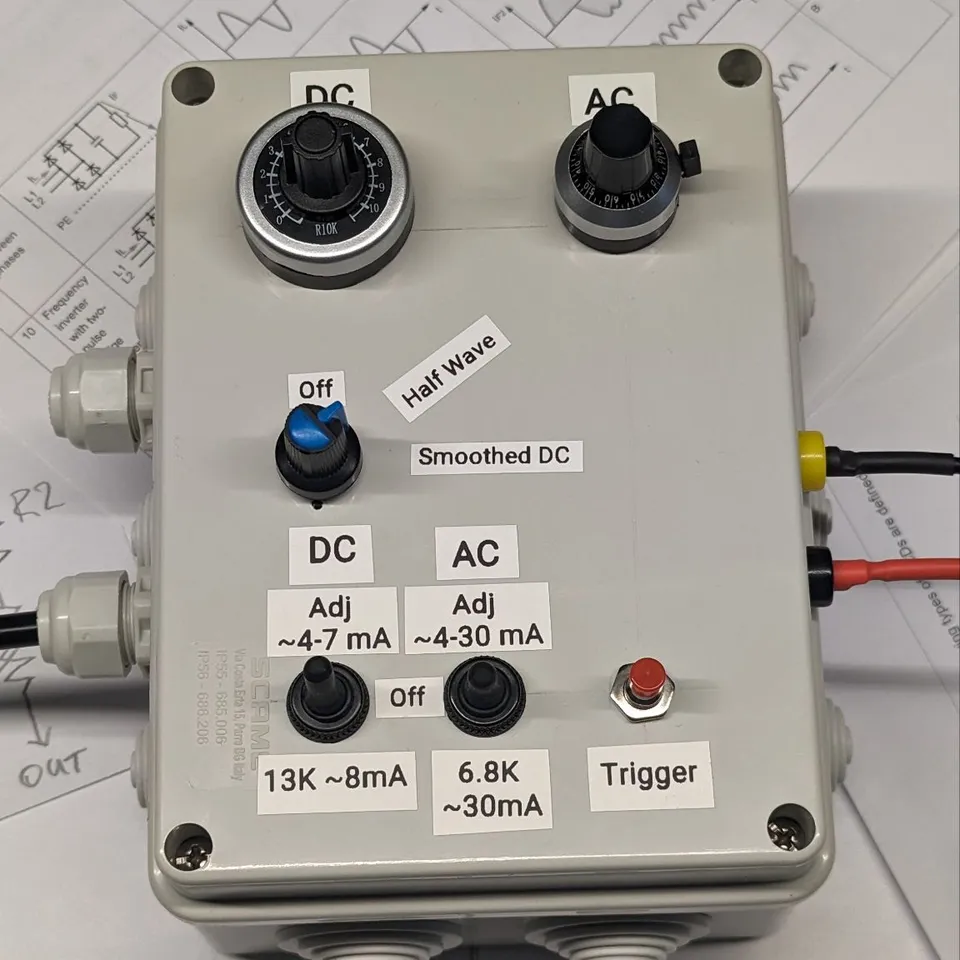
Charger electronics are rarely right on the first board. We bring up the first prototypes on the bench with a vehicle simulator and real loads, measure switching, heating and measurement accuracy, then fit them into the housing and run them for days before they leave the workshop. The changes found there go into the next board revision, and the test results go to you with it.
For electrical safety, with the relevant harmonized standards such as IEC 61010-1 or EN 62368-1, depending on the product.
Tested against EN 55032 for emissions and EN 61000 series for immunity.
When the charger has Wi-Fi, cellular or RFID.
For materials and parts.
We run EMC and safety pre-compliance checks before the formal test, so the laboratory confirms the design rather than discovering its faults. See compliance testing.
Architecture, component choice, safety concept. Read more
For the controller, power and interface boards. Read more
For wall and pole housings with cable entries, sealing and display windows. Read more
To wire the controller, contactor, socket and meter into the housing as a finished unit. Read more
With fixtures that check switching, measurement and protection on every unit. Read more
The full design source, a manufacturing package for the boards and the housing, test procedures, and a pre-compliance report you can hand to the certification laboratory. Prototypes are delivered assembled and tested, ready for field trials.